" Revealing the VR6: An Interesting Overview to Its Efficiency and Technology" e
The VR6 engine attracts attention in automotive design. Its special design combines features of both inline and V-type engines. With a portable arrangement of six cylinders, it accomplishes remarkable power outcomes while continuing to be fuel-efficient. This guide will explore the details of the VR6, from its performance capabilities to its historical relevance. As the automotive landscape progresses, the significance of the VR6 remains to pique interest amongst enthusiasts and daily drivers alike.
The Distinct Design of the VR6 Engine
The VR6 engine attracts attention in the vehicle landscape as a result of its innovative style that integrates the features of both inline and V-type engines. This special configuration enables a small yet powerful engine design, featuring 6 cyndrical tubes set up at a narrow angle. By making use of a single bank of cyndrical tubes, the VR6 lessens engine size, making it appropriate for vehicles with limited room. In addition, the engine attains a balance in between performance and effectiveness, providing smooth power delivery and a distinctive exhaust note. The layout integrates advanced modern technologies such as variable valve timing, boosting both responsiveness and fuel economic climate. Consequently, the VR6 engine has become a preferred option amongst enthusiasts, using a mix of functionality and exhilarating driving experience in different versions.
Engineering Marvels: Just How the VR6 Functions
Including an unique arrangement, the VR6 engine operates through a mix of ingenious engineering concepts that maximize efficiency and performance. Its layout integrates the qualities of both V and inline engines, permitting for a small form that fits quickly within tight engine bays. The engine features a narrow angle in between the cyndrical tube financial institutions, usually around 15 levels, which contributes to its space-saving layout while preserving smooth operation. Additionally, the VR6 makes use of a single cylinder head, lowering weight and intricacy compared to traditional V engines. This setup guarantees peak burning performance and enhances thermal management. The engine is geared up with sophisticated fuel shot systems and variable valve timing, additional boosting its responsiveness and integrity, making it a significant achievement in auto engineering.
Efficiency Capabilities: Power and Torque
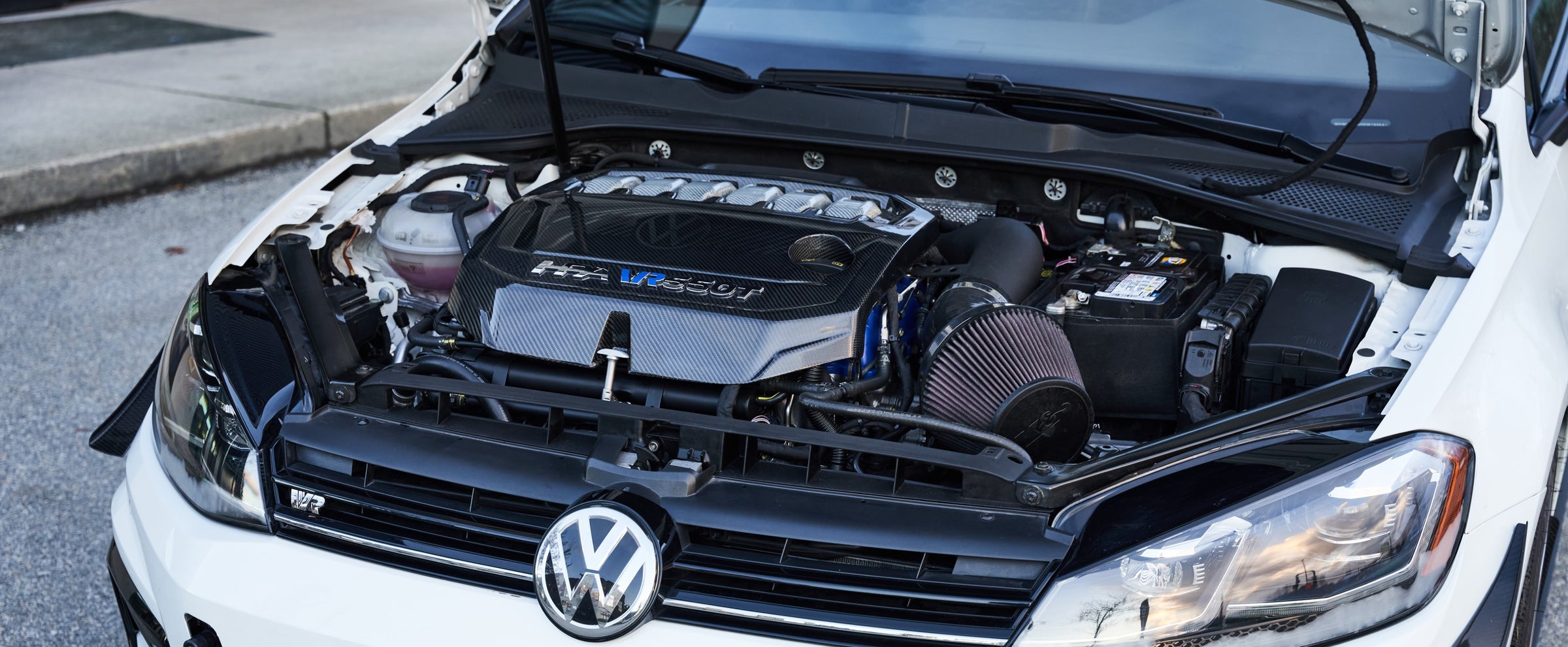
With power results varying from 150 to over 300 horse power, the VR6 engine showcases remarkable efficiency capacities that appeal to both enthusiasts and everyday vehicle drivers. This distinct engine configuration offers an unified equilibrium in between efficiency and drivability, characterized by its smooth power delivery and robust torque. Torque figures normally range from 150 to 300 lb-ft, enhancing velocity and responsiveness across numerous driving conditions. The VR6 engine's layout enables for a compact dimension without compromising power, making it suitable for a selection of automobiles, from sporty coupes to useful sedans. This adaptability guarantees that motorists can enjoy spirited driving experiences while gaining from the engine's dependable efficiency in daily circumstances, strengthening its credibility in the automobile landscape.
Fuel Performance and Discharges Factors To Consider
The VR6 engine's gas economic situation ratings play an important role in its general appeal, particularly in a period of increasing environmental understanding. Conformity with discharge criteria is vital for manufacturers, as it affects market acceptance and regulative authorizations. In addition, engine tuning can substantially influence both fuel performance and emissions, highlighting the requirement for a balanced strategy in efficiency optimization.
Gas Economy Rankings

Exhaust Criteria Conformity
Emission requirements compliance represents a critical aspect of the VR6 engine's layout and performance. Engineered to fulfill rigid guidelines, the VR6 integrates advanced modern technologies that minimize unsafe exhausts without giving up power. vr6. The assimilation of functions such as catalytic converters and sophisticated gas shot systems guarantees that the engine can run effectively while sticking to environmental standards. This conformity not only boosts the appeal of the VR6 in numerous markets yet likewise adds to its long-term sustainability. Furthermore, the focus on reduced emissions lines up with expanding customer demand for greener cars. As makers proceed to innovate, the VR6 remains a proof of the balance between performance and environmental duty, meeting both governing demands and customer expectations
Engine Tuning Influence
Tuning the VR6 engine can greatly affect both gas performance and emissions output. By readjusting parameters such as air-fuel ratio, ignition timing, and improve pressure, tuners can maximize engine efficiency to attain better fuel economic situation. A well-tuned VR6 might demonstrate better throttle action and power shipment, which can ultimately lead to reduced gas usage during routine driving problems.
The adjusting process have to think about emission criteria, as hostile adjustments may result in greater emissions. Certain adjusting techniques, such as the installment of aftermarket elements or software, can enhance engine efficiency while still adhering his comment is here to laws - vr6. Eventually, a balanced method to tuning can produce a VR6 that does effectively without compromising ecological obligations
The VR6 in Automotive History
The VR6 engine has sculpted a noteworthy particular niche in auto history, standing for an unique mix of efficiency and compact design. Presented by Volkswagen in the early 1990s, it incorporated the most effective characteristics of inline and V engines, using a narrow-angle arrangement that enabled a much shorter engine block. This style assisted in integration right into a range of lorries, from the Golf to the Passat, while preserving an effective efficiency account. The VR6 gained honor for its distinct noise, smooth operation, and impressive torque distribution, interesting fanatics and day-to-day vehicle drivers alike. For many years, it has actually been a keystone in Volkswagen's lineup, influencing engine development and setting benchmarks for efficiency in small automobiles. Its legacy remains to reverberate in the automobile globe.
Adjusting and Alterations for Improved Efficiency
Numerous lovers seek tuning and adjustments to launch the complete capacity of the VR6 engine, transforming its already excellent performance characteristics. Usual modifications consist of updating the intake and exhaust systems, which improve airflow and improve throttle response. Lots of opt for ECU remapping to maximize fuel distribution and ignition timing, resulting in enhanced horsepower and torque. Mounting a high-performance turbocharger can considerably boost engine result, making it a prominent selection among receivers. Furthermore, adjust suspension and brakes assurances that improved power is matched by improved handling and quiting capacities. Aftermarket intercoolers and upgraded gas systems additionally sustain these alterations, enabling continual performance improvements. In general, these adjusting alternatives offer VR6 fanatics with a personalized driving experience customized to their performance needs.
The Future of the VR6 Engine
As automotive technology remains to progress, the future of the VR6 engine stays a subject of intrigue amongst suppliers and fanatics alike. This unique engine arrangement, known for its compact layout and smooth efficiency, is encountering challenges from arising options such as electric and hybrid powertrains. Nevertheless, the VR6's distinctive sound and character preserve a loyal following. Producers might explore advancements in products and turbocharging to boost performance and efficiency, ensuring the VR6 stays relevant in the competitive automotive landscape. Additionally, prospective adaptations for crossbreed systems could expand the engine's life expectancy. Eventually, while the VR6 engine's future might doubt, its tradition remains to motivate development and enthusiasm within the automobile area.
Frequently Asked Inquiries
What Cars Typically Feature the VR6 Engine?
The VR6 engine is commonly located in various Volkswagen and Audi versions, including the Golf, Passat, and Jetta, as well as the Audi A3 and A4, showcasing its versatility and performance in numerous applications.
How Does the VR6 Compare to Inline and V Engines?
The VR6 engine supplies a compact style that incorporates features of both inline and V engines, providing an equilibrium of smoothness and power. Its distinct setup permits for efficient area utilization without compromising efficiency.
What Are the Common Problems With VR6 Engines?
Common issues with VR6 engines include oil leaks, timing chain tensioner failings, and coolant system problems (vr6). Furthermore, some units experience consumption manifold concerns and possible getting too hot, which can result in significant performance reductions and repairs
Can the VR6 Engine Be Exchanged Into Various Other Vehicles?
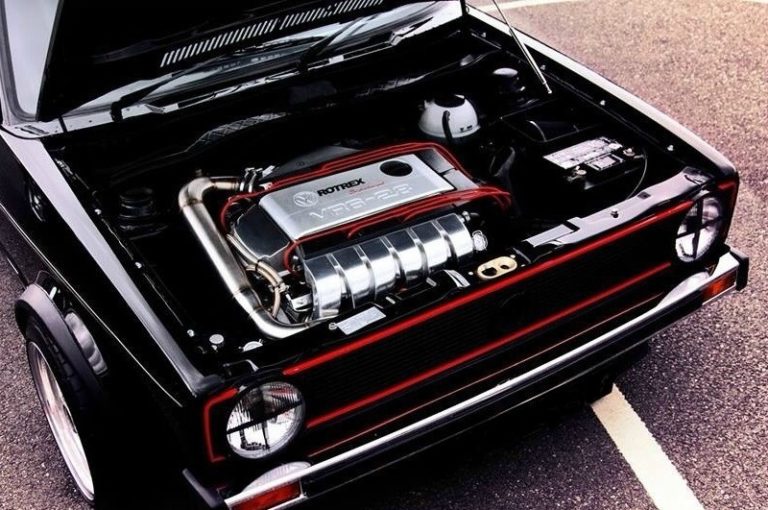
Yes, the VR6 engine can be exchanged into different automobiles, often calling for personalized places and adjustments. Lovers often seek this swap to improve efficiency, though compatibility and technological site here obstacles need to be thoroughly considered beforehand.
What Is the Cost of a VR6 Engine Substitute?
The price of a VR6 engine replacement usually varies from $3,000 to $7,000, depending upon elements like labor, parts high quality, and whether it's a brand-new or utilized engine. Costs may vary by area and vehicle design.
The VR6 engine stands out in the auto landscape due to its ingenious style that incorporates the characteristics of both inline and V-type engines. Its design incorporates the attributes of both V and inline engines, permitting for a small kind that fits conveniently within limited engine bays. Introduced by Volkswagen in the early 1990s, it integrated the ideal features of inline and V engines, using a narrow-angle configuration that allowed for a much shorter engine block. The VR6 engine offers a compact style that incorporates characteristics of both inline and V engines, providing a balance of level of smoothness and power. The cost of a VR6 official website engine substitute generally varies from $3,000 to $7,000, depending on factors like labor, parts top quality, and whether it's a new or used engine.